The Morning Rush
Morning closing procedures, counting the day’s revenue, and recording it in the cash ledger. Employees arriving, receiving deliveries, checking the cleanliness of the establishment, and discovering unexpected faults. This is only a small part of the daily routine of running a business. It is the role of the manager, without which the day cannot begin.
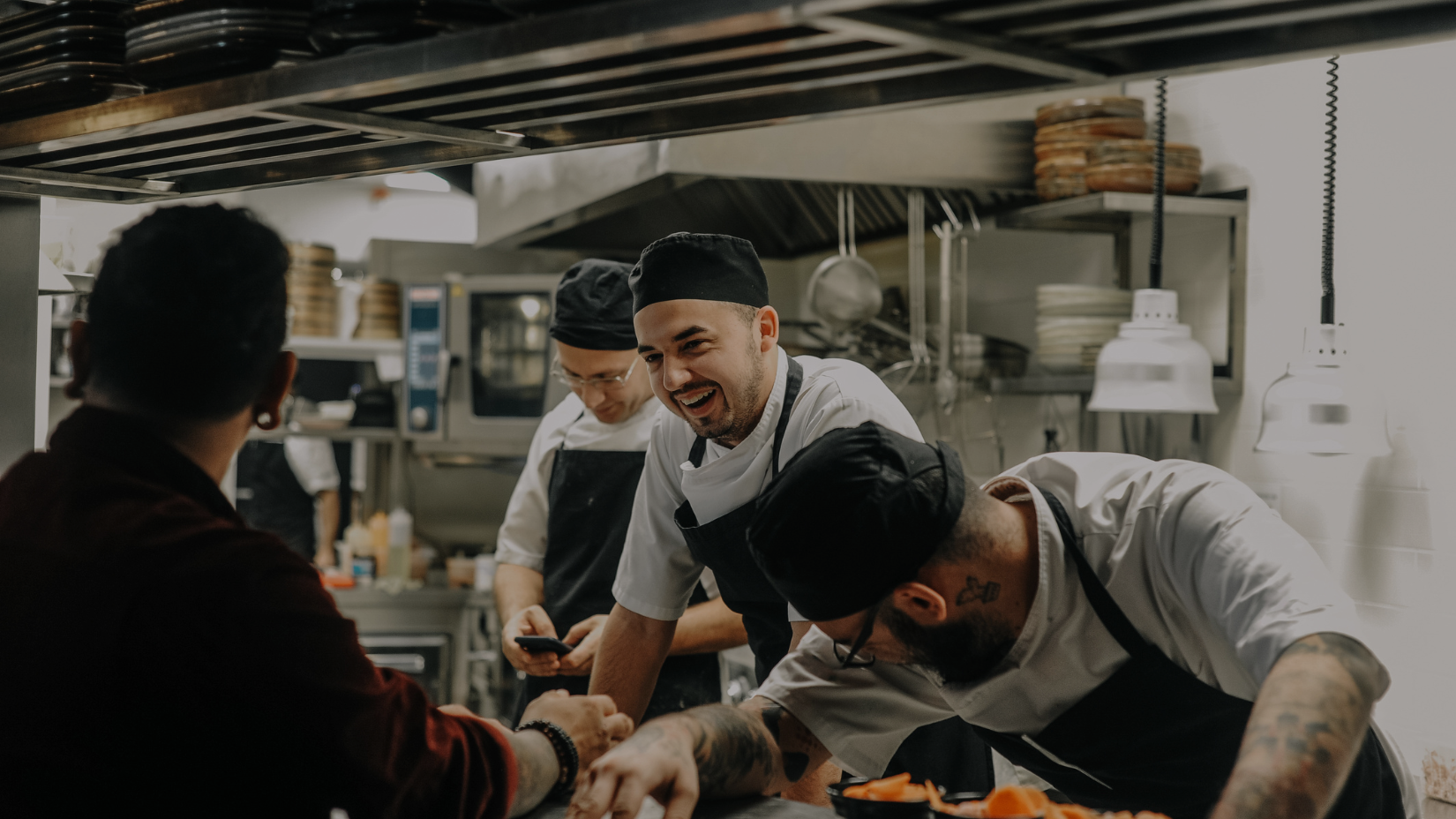
From the head chef, on the other hand, a smooth operation of the kitchen is expected. The kitchen is the heart of every establishment and sets the pace. What has been planned must also be delivered. On time and with quality. Proper timing of the preparation of the daily menu, checking ingredients for the à la carte offer, improvisation, and time pressure. Stress is a common ingredient in every operation.
Stress and Planning
It is an unwritten rule that every shift should leave the workplace in order, or prepare something for the next one. This is not always possible—anything can happen. An employee may not come to work, a supplier may be late with a delivery, or a customer may arrive with a request for an unannounced event, and so on.
Perhaps the greatest test of the staff’s abilities is the unexpected loss of an experienced employee. The quality of a kitchen is best demonstrated under full pressure during the lunch rush, not when the establishment is half empty. As the saying goes – slowly but surely.
The morning pressures on the operation are intense and peak at lunchtime. Even afterward, however, there is no extra time. Supplies must be replenished and preparations for the next day must begin. Once evening guests arrive, there may be no time left. The day, as always, ends with cleaning.
In this entire carousel of duties and problems, one task often remains hanging and is usually postponed until later. It is the planning of the menu for the following week. It is common that after a demanding day at work, the head chef completes this “homework” in their free time. If a manager is also involved in approving the plan, further adjustments must be expected. This is followed by listing the ingredients, calculating quantities based on the number of portions, and creating an order.
Fudoma Helps
The use of technology in managing operations is not meant to replace employees but to allow them to devote as much time and energy as possible to what truly matters. Planning and ordering can be done on paper, in Excel, or in a text editor. But it can also be done like this:
- Open the Fudoma application
- Search for the recipe you want to include in the menu
- Add it to a specific day with three mouse clicks
- Repeat steps 2 and 3 until the menu is finalized
- Set the number of portions for each recipe
- Generate a shopping list with the exact quantities of ingredients, which can be sent directly to the supplier
- Copy the weekly menu schedule and publish it
- Done
It is simple and fast. Changes can be made online, so multiple people can participate in menu planning at the same time. Moreover, Fudoma has an extensive database of recipes that can serve as inspiration. This is also useful if certain ingredients begin to accumulate in storage, as it makes it easy to find a way to use them.
The head chef quickly obtains a shopping list with the exact quantities of ingredients—what, how much, and when to order. The manager has control over the planning and access to the menu schedule, which can be sent for printing. The owner has the assurance that only the necessary amount of ingredients is being ordered and that consistent quality is maintained in the kitchen. Thanks to the recorded planning history, everyone can easily check whether the same dishes are being repeated too often. The existing recipe database can also be edited or expanded with custom recipes.
Gastronomy Is Love
Despite the daily high workload and elevated blood pressure, working in the gastronomy sector is something many of us have come to love. The feeling of victory after a demanding working day and the sense of a job well done are what drive us forward.
Fudoma is a tool that saves time on the manual processes of planning. Time that you can then invest in work that you enjoy and that brings value to your staff and your guests.
Ľudovít D., Founder of Fudoma